

20 April 2026 (IMPW Day 1): Sustainable by Design
Sustainable by Design:
Part 1: Delivering Sustainable Healthcare through Collaboration
Part 2: Environmental sustainability in medical physics: what we can do
Tuesday, 20 April 2026 at 12 pm GMT; Duration 1 hour
Organizer & Moderator: Eva Bezek, IOMP President
Speakers:
1. Fiona Adshead, PhD
Chair, Sustainable Healthcare Coliation
2. Robert Chuter, PhD
Principal Clinical Scientist (Radiotherapy) – Research Lead MR-Linac, The Christie NHS Foundation Trust and the University of Manchester
Part 1: Sustainable by Design: Delivering Sustainable Healthcare through Collaboration
Abstract
This talk will address why now is the time for action on climate and health, and how by measuring and understanding our impact we can be sustainable by design.
By exploring how climate and health are linked, the talk will look at impact across the healthcare value chain and what action has been taken to date: the importance of supply chains, the emerging models of sustainable healthcare and the need to transform clinical delivery through use of technology and innovation.
Describing the work on the Sustainable Healthcare Coalition, the session will outline how the environmental impact of care pathways can be assessed and how case studies have shown practical ways to improve health whilst reducing environmental impact and saving money.
Using kidney care as an example, the talk will describe how clinicians are driving change, and why this is leading to novel approaches to procurement, and a re-examination of how we should measure value in healthcare.
Finally, the talk will reflect on what has been learnt so far, and what this means for each of us if we are to bridge the gap between science, technology and clinical practice by being sustainable by design.
Learning objectives:
- Understand the connections between climate change and health and how healthcare systems, governments and industry are taking action;
- Learn why now is the time for action on climate and health, and how by measuring and understanding our impact we can be sustainable by design illustrated by practical case studies.
Speakers’ Biography
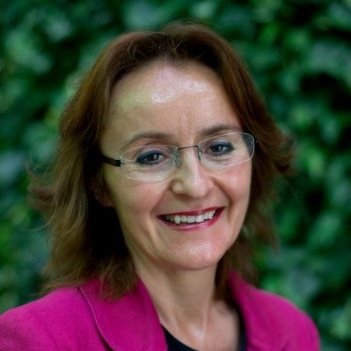
Fiona chairs the Sustainable Healthcare Coalition that inspires partnerships and action on sustainable healthcare. She also works as an independent expert advisor and board member for national and global organisations on wellbeing and sustainability.
She is a high-profile wellbeing and public health leader with a track record of reframing thinking and developing innovative strategy and programmes at the heart of business and government. Her previous roles include Deputy Chief Medical Officer and Director General in the UK Government, Director of Chronic Disease and Health Promotion at the World Health Organisation and Bupa’s Chief Wellbeing Officer.
Fiona is a visiting Professor at UCL and is a Senior Associate at Cambridge Institute for Sustainability Leadership. Fiona’s recent board roles include Fresenius ESG Advisory Board, My Green Lab, British Land’s Sustainability Advisory Panel, Marks and Spencer’s Sustainable Retail Advisory Board, and Business in the Community’s Wellbeing Leadership Team. Fiona is a member of the Health System Taskforce of the Sustainable Markets Initiative.
Part 2: Environmental sustainability in medical physics: what we can do
Abstract
Healthcare currently contributes 4-5% of global greenhouse gas emissions worldwide with oncology patients being particularly vulnerable to the climate crisis. As scientists we are well placed to estimate the environmental impact of our services through measuring our carbon footprint and performing Life Cycle Analyses. These can help us identify the carbon hot spots in our services and highlight where we should focus efforts to reduce our carbon footprints. Practical steps will be covered as well as how to build your own sustainability group.
Learning objectives:
- Understand the importance of climate change and its impact on healthcare and vice versa.
- Develop an understanding of what the impact of medical physics is and how medical physics can reduce its environmental impact.
Speakers’ Biography

Rob works in a translational role, working with both the clinical radiotherapy physics team at The Christie and Radiotherapy Related Research (RRR) group at The University of Manchester. His main focus is the MR-Linac where he works on the treatment planning and plan adaptation aspects of the machine. He also founded the Institute of Physics and Engineering in Medicine’s (IPEM) environmental sustainability group in February 2020, leads a joint working party on environmental sustainability with the RCR and SCoR, and is co-lead for the Green Network within ESTRO. As part of this he has published on the carbon footprint of radiotherapy and is leading or involved with several other carbon footprint studies and sustainability initiatives within medical physics.
21 April 2026 (IMPW Day 2): Sustainability in Medical Imaging Physics
Sustainability in Medical Imaging Physics
Tuesday, 21 April 2026 at 12 pm GMT; Duration 1 hour
Organizer & Moderator: M Mahesh, IOMP Vice President
Speakers:
1. Diana Carver, PhD (Vanderbilt University Medical Center)
2. Andrew M. Hernandez, PhD (UC Davis Health)
Title: The Role of Medical Physicists in Promoting More Environmentally Sustainable Practices in Medical Imaging
Abstract
Medical physicists (MPs) are central to the safe and effective use of radiation, ensuring imaging systems deliver diagnostic-quality images and supporting the implementation of emerging technologies. These responsibilities must remain central as Radiology advances toward more sustainable practices. Because patient health is closely linked to planetary health, promoting environmentally stewardship is a natural extension of the MP’s professional responsibility. Serving as the technical interface between imaging systems and clinicians, MPs contribute to equipment procurement, regulatory compliance, protocol optimization, and system upgrades through multidisciplinary, enterprise-wide collaboration. This interdisciplinary position places MPs in a unique role to lead and support efforts that reduce the environmental impact of imaging, including advancing energy-efficient scanner design and operations, minimizing medical waste, optimizing clinical workflows, informing appropriate use of energy-efficient protocols and modalities, and reducing unnecessary imaging. This webinar will highlight practical opportunities for medical physicists to drive meaningful, sustainability-focused change in clinical imaging practice.
Learning objectives:
After attending this presentation, participants will be able to:
- Understand the importance of energy quantification in medical imaging and how improved measurement can enable more sustainable imaging practices.
- Recognize the environmental impact of contrast-enhanced imaging and the role of optimized contrast use and delivery systems in reducing waste while preserving clinical effectiveness.
- Describe practical strategies for assessing, implementing, and validating energy-efficient imaging suite operations.
- Explain how sustainability considerations can be integrated into imaging protocol development and modality selection to support informed clinical decision making.
Speakers’ Biography

Diana Carver, PhD is an Associate Professor of Clinical Radiology and Radiological Sciences and a diagnostic imaging medical physicist at Vanderbilt University Medical Center. Her work focuses on the optimization, quality, and safety of imaging technologies, with increasing emphasis on energy efficiency and environmental sustainability. She serves as Vice-Chair of the AAPM Working Group on Environmental Sustainability in Medical Imaging Physics and has led an academic–industry research collaboration resulting in several conference presentations and peer-reviewed publications on sustainability in radiology. Her professional efforts span clinical practice, research, education, and service at the intersection of medical physics and sustainable healthcare.
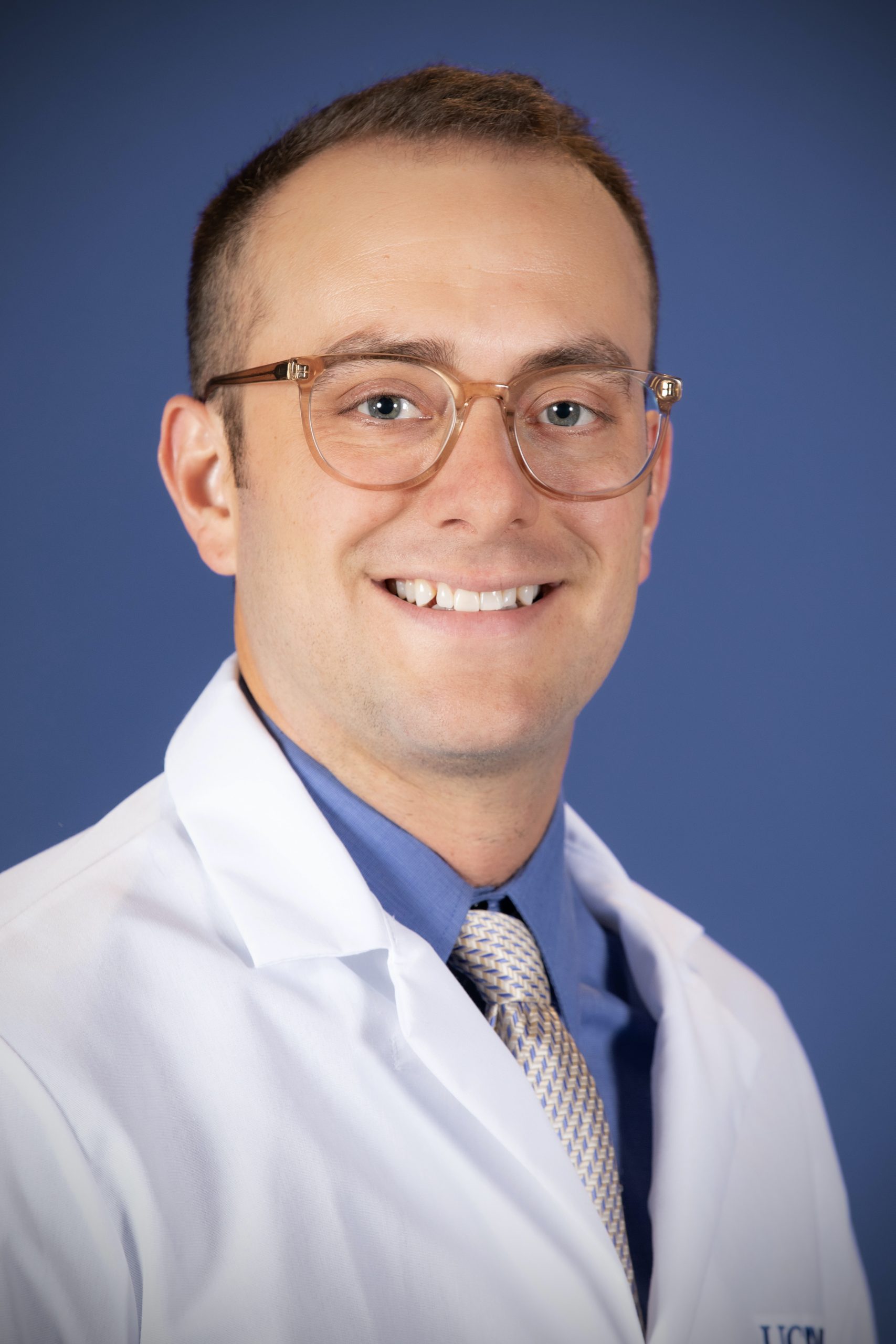
Andrew Hernandez, PhD is an Associate Professor of Radiology in Medical Physics, and the Director of Sustainability at UC Davis Health where he advocates and provides resources for sustainability initiatives including waste reduction, collaborations within medical imaging manufacturers, and promoting more energy efficient medical imaging. He has implemented a comprehensive framework for energy metering and quantification of imaging systems at the suite-level. He is chair of the AAPM Working Group on Environmental Sustainability in Medical Imaging Physics, is a member of the RSNA Environmental Sustainability Committee, and leads industry-supported research focused on validating and benchmarking emerging energy-saving technologies.
22 April 2026 (IMPW Day 3): Healthcare Sustainability in LMIC Countries
Healthcare Sustainability in LMIC Countries
Wednesday, 22 April 2026 at 12 pm GMT; Duration 1 hour
Organizer: Eva Bezak, IOMP President
Moderator: Chai Hong Yeong and Kwan Hoong Ng
Speakers:
1. Hasin Anupama Azhari
2. Patricia Mora Rodriguez
3. Iyobosa B. Uwadiae
Abstract:
The global incidence of both infectious and non-communicable diseases, such as cancer, continues to increase and requires advanced, resource-intensive interventions. As global healthcare systems continue to experience rapid technological advancement in all areas, the concept of sustainability has become a critical priority in Low- and Middle-Income Countries (LMICs). The subject of sustainability in LMIC countries is faced with unique and multifacted challenges, including but not limited to fragile infrastructure, limited financial resources, lack of professional recognition, brain drain and the need for equitable access to life-saving medicine, radiation medicine.
These systems need to be strengthened, and the medical physicist (MP) as a robust scientist, is well-suited to take up this task and make significant contributions leading to long-term viability, resilience, and accessibility of good healthcare. Medical physics has evolved from its original role of imaging and radiation therapy accuracy verification to now focus on sustainability challenges which healthcare systems encounter.
This webinar will present perspectives from three IOMP regions: Latin America, Africa, and Asia, on the role of medical physicists in supporting more sustainable healthcare systems in low- and middle-income countries (LMICs). Through regional experiences and examples, the session will highlight how medical physicists contribute to sustainability by adapting practices to local clinical, economic, and infrastructural contexts. The webinar aims to foster a broad understanding of challenges, opportunities, and approaches used across regions, emphasizing collaboration, innovation, and professional responsibility in advancing sustainable healthcare delivery.
Learning Objectives:
Recognize the main sustainability challenges faced by healthcare systems in LMICs and the expanding role of medical physicists in addressing them.
Understand how regional practices in Latin America, Africa, and Asia contribute to environmentally and clinically sustainable radiation medicine.
Speakers’ Biography:
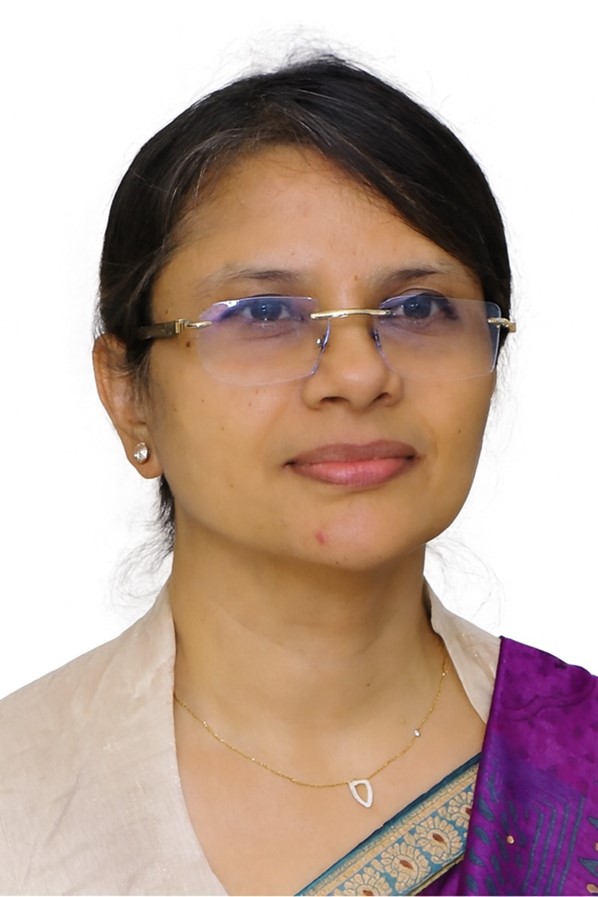
Professor Hasin Anupama Azhari is a pioneering medical physicist in Bangladesh, internationally recognized for advancing cancer care, education, and professional development. She earned her Ph.D. in Medical Physics through an international program with research at Zhejiang Cancer Hospital, China, and the German Cancer Research Center, Heidelberg University. As former Dean and Chair at Gono Bishwabidyalay and now Professor at United International University, she has been instrumental in establishing medical physics education and training programs in Bangladesh. She is also the Honorary Director of the South Asia Centre for Medical Physics and Cancer Research (SCMPCR), a regional hub for capacity building and collaboration. Her leadership includes founding the Bangladesh Medical Physics Society, organizing landmark conferences, and coordinating international projects supported by DAAD, IOMP, and AFOMP. She is the current President of AFOMP> Honored with the IOMP International Medical Physics Award (2018) and AFOMP Outstanding Medical Physicist Award (2020), she continues to shape the field as a pioneer in Bangladesh and South Asia.
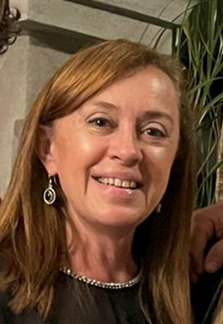
Patricia Mora Rodríguez is a medical physicist with over 40 years of experience in medical imaging and radiation protection. She is a former professor at the University of Costa Rica, now retired, and served as President of the Latin American Association of Medical Physics (ALFIM) (2022-2025). She has been actively involved in regional and international initiatives with the IAEA and IOMP. Her professional focus includes quality assurance, radiation dose optimization, digital imaging systems, and capacity building in low- and middle-income countries. She has authored more than 50 scientific publications and continues to contribute through education, research collaboration, and leadership activities across Latin America and the Caribbean.

Iyobosa B. Uwadiae currently serves as the President of the Nigerian Association of Medical Physicists (NAMP); Secretary of the NAMP Clinical Training and Certification Board (NCCB); Chair, Professional Development Committee, FAMPO and member of the IOMP women’s sub-committee. She holds a B-Tech in Physics with Electronics from the Federal University of Technology, Akure, Nigeria; MSc Medical Physics from the University of Aberdeen, Scotland; PhD Medical Physics from the Obafemi Awolowo University, Ile-Ife, Nigeria and is Board Certified by the International Medical Physics Certification Board (IMPCB). She is passionate about human capacity development and changing the narrative of Africa.
23 April 2026 (IMPW Day 4): Remote and Automated QC in Radiolopgy - an IAEA Approach
Remote and Automated QC in Radiology – an IAEA Approach
Thursday, 23 April 2026 at 12 pm GMT; Duration 1 hour
Organizers & Moderators: Mohammad Hassan Kharita and Mika Kortesniemi
Speakers:
1. Virginia Tsapaki
2. Mohammad Hassan Kharita
3. Mika Kortesniemi
Abstract:
The session will introduce the possibilities and benefits of technical image QA analysis software which facilitates the implementation of automated image QA particularly in remote regions and with limited medical physicist resources and lack of effective QA methods and processes. The presented tools are currently part of the IAEA Coordinated Research Project entitled “Advanced Tools for Quality and Dosimetry of Digital Imaging in Radiology” (E24025). Background motivation for automated and remote QA stems from the legal and regulative requirement to perform systematic quality assurance in diagnostic radiology which is fundamental to secure the consistent quality and safety of medical imaging functions in clinical routine practice, and to gain the full benefits from high-cost medical technology investments. The solution is to utilise a) simple and inexpensive test objects or usage of standard calibration phantoms, b) deploy automated analysis software enabling advanced and comprehensive QA parameter quantification, and c) enable remote QA by networked data sharing, mitigating delays and challenges of limited expert resources. The presented methodology is highly cost-effective saving workload and expert time, and reducing travelling need (further saving of time, costs and CO2 emissions) allowing more frequent (daily or weekly) image quality monitoring. More information can be acquired from the references.
A sustainable approach to strengthening quality control in radiography and mammography, especially in low- and middle-income countries, involves expanding the implementation of the IAEA Coordinated Research Project by leveraging regional resources such as local phantom production and collaborative training initiatives. This strategy reduces costs and logistical barriers, promotes regional expertise, and encourages cooperation, thereby ensuring high standards of imaging quality and patient safety are upheld across diverse healthcare environments.
References:
- IAEA, Implementation of a Remote and Automated Quality Control Programme for Radiography and Mammography Equipment, Human Health Series Publication 39, Published 2021, IAEA, Vienna.
- https://www.iaea.org/projects/crp/e24025
- Peltonen JI, Honkanen AP, Kortesniemi M. Quality assurance framework for rapid automatic analysis deployment in medical imaging. Phys Med. 2023 Dec;116:103173.
Learning objectives:
- To learn about the possibilities of remote and automated QA analysis which helps to implement technical image QA in remote locations and with limited medical physicist resources.
- To learn about the structure of open-source code-based QA framework and how to implement it.
- To learn about the global experiences on the use of QA framework in various regions, equipment and organisations.
- To understand how utilising regional resources and collaborative frameworks can enhance the scalability and effectiveness of remote, automated quality control programmes for radiography and mammography, particularly in low- and middle-income countries.
Speakers’ Biography:
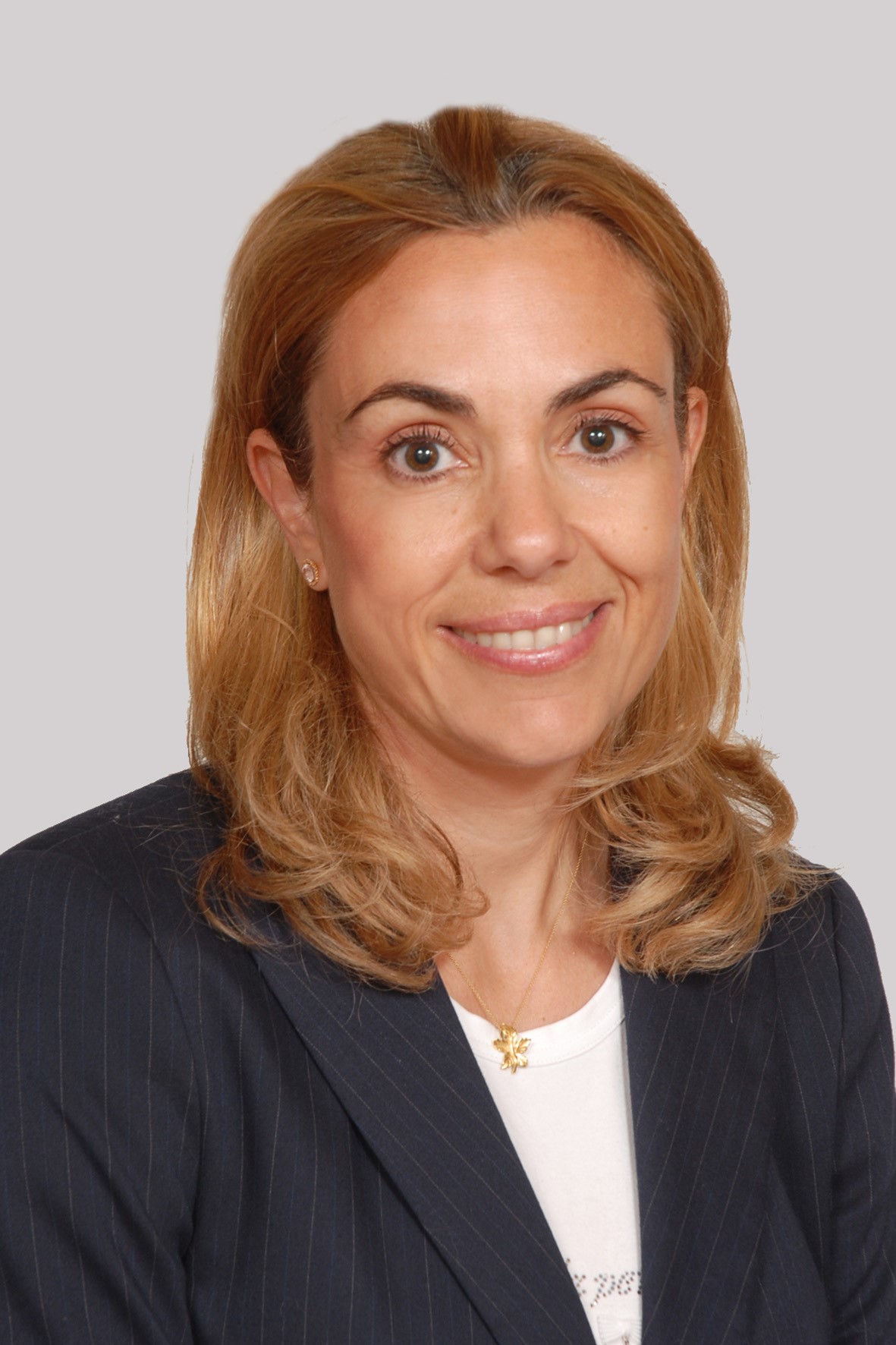
Dr Virginia Tsapaki is a physicist with Master and PhD in medical physics with more than 34 years of experience in medical imaging, quality and safety. The last 6 years she is working as a Technical Officer in the IAEA DMRP Section in the Human Health Division. She has coordinated more than 120 IAEA technical-cooperation projects supporting education, training, procurement, installation, and service delivery across the world; designed and delivered over 30 multi-day training courses for 800+ participants with 100+ expert lecturers. She has coordinated and co-authored five IAEA guidance documents working with more than 90 expert contributors. Before joining IAEA, she was head of the medical physics department of a large general hospital in Greece. Served for many years as an expert and work-package lead on 10+ EU projects and supported professional/research organizations (IOMP, EFOMP, EUTEMPE, EURAMED, etc). She has over 150 publications in scientific journals and conference proceedings and more than 300 presentations and posters at national and international conferences.
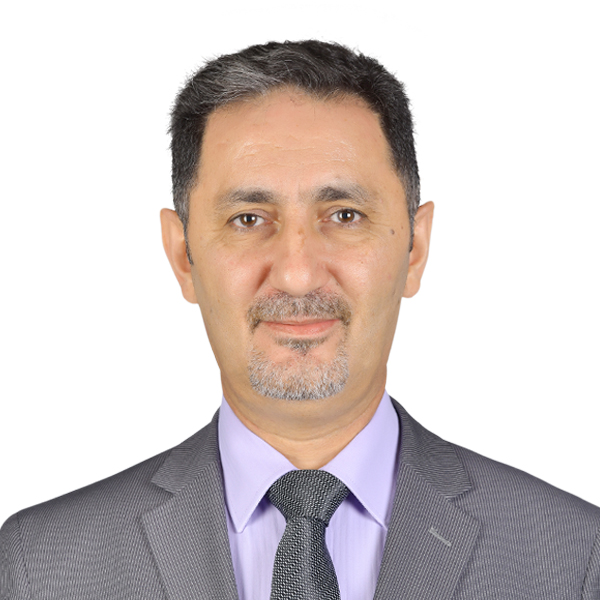
Dr Mohammad Hassan KHARITA is a Medical Physics and Radiation Safety Specialist with deep expertise in establishing and managing effective radiation safety programs, developing national regulatory frameworks, and building emergency response capabilities. He has led major global education and training initiatives in the field. As Acting Executive Director of Medical Physics at Hamad Medical Corporation (HMC), he oversees all medical physics operations in diagnostic radiology and nuclear medicine, as well as radiation safety for HMC’s 16 hospitals. Internationally, he has served as a Radiation Safety Consultant for the IAEA on more than 45 missions. Dr. Kharita holds a Ph.D. in Radiation Dosimetry and an M.Sc. in Applied Radiation Physics from the University of Birmingham, UK.
In addition to his technical and leadership roles, Dr. Kharita is actively involved in various professional organizations. He serves as Treasurer for the International Organization of Medical Physics (IOMP) for the 2025-2028 term, President of the Middle Eastern Federation for Medical Physics (MEFOMP) during the same period and has acted as the Radiation Protection Adviser (RPA) for the Ministry of Environment and Climate Change in Qatar since 2017.

Dr Mika Kortesniemi works as the Chief Medical Physicist and Adjunct Professor at the HUS Diagnostic Center, University of Helsinki and Helsinki University Hospital, Finland. His professional, teaching and research focus is on quality assurance, radiation dosimetry, optimisation and radiation protection in x-ray imaging, especially related to the computed tomography and utilisation of artificial intelligence. Dr Kortesniemi is also actively involved in international collaboration e.g. with IAEA, ICRP, IOMP, EFOMP and ESR.
24 April 2026 (IMPW Day 5): SHAPES (Sustainable Healthcare through Advancement of Physical and Engineering Sciences)
SHAPES (Sustainable Healthcare through Advancement of Physical and Engineering Sciences)
Friday, 24 April 2026 at 12 pm GMT; Duration 1 hour
Organizer: Magdalena Stoeva, in collaboration with IUPESM MEPW
Moderator: Eva Bezak
Speakers:
1. Ratko Magjarević, IUPESM President 2025-2028
2. Marcia Barbosa, ISC Vice-President for Freedom and Responsibility in Science
3. John Damilakis, IUPESM Vice President 2025-2028
Abstract:
Healthcare has always been a cornerstone for the well-being and prosperity of humanity. This is more valid now than ever before as we face the challenges associated with contemporary lifestyles and demands, with healthcare becoming increasingly dependent on technology.
The collaboration between medical physicists and biomedical engineers in academia, research, professional organizations, stakeholders, and industry shape the healthcare’s technological landscape. Enhancing healthcare through capacity building, networking, R&D, E&T campaigns, professional recognition, and combined efforts of the global players and local workforce will contribute to a sustainable environment.
The physical sciences have historically contributed to advances in medicine through the development of technologies such as lasers and medical imaging systems. A prominent example is the 2003 Nobel Prize in Physiology or Medicine, awarded to Paul Lauterbur and Peter Mansfield for the development of magnetic resonance imaging. While such technological contributions have been transformative, the interaction between the physical and medical sciences has the potential to extend beyond instrumentation. Recent advances in complexity science—a field of physics dedicated to the study of multiscale systems—have been driven by the rapid expansion of computational capabilities. These advances enable the application of physical science frameworks and methodologies to biological systems, offering new perspectives on their organization and dynamics. In this presentation, we highlight key challenges in contemporary medical science that may benefit from methodological approaches developed in the physical sciences, with particular emphasis on the analysis of complexity and multiscale dynamics.
Sustainable healthcare has emerged as a global priority, driven by increasing clinical demand, resource constraints, environmental concerns, and the need for equitable access to high-quality medical services. Medical physics plays a pivotal yet often under-recognized role in addressing these challenges. This presentation will explores how advancements in medical physics contribute to sustainable healthcare systems. Key themes include optimization of patient radiation protection, reduction of unnecessary examinations, intelligent use of artificial intelligence and automation, and evidence-based quality assurance practices that extend equipment lifespan. The role of medical physicists in supporting informed clinical decision-making, technology assessment, and data-driven optimization is highlighted as essential for minimizing waste, improving patient outcomes, and reducing the environmental footprint of medical technologies. In addition, the presentation will address the importance of education, interdisciplinary collaboration, and capacity building to ensure that sustainability principles are embedded in healthcare innovation. By aligning technological progress with patient safety, efficiency, and societal responsibility, medical physics can serve as a cornerstone for resilient and sustainable healthcare systems.
The SHAPES webinar is part of the IUPESM MEP initiative, which has become a platform for collaboration between medical physicists and biomedical engineers over the past terms.
Learning Objectives:
Understanding the global impact of the physical and engineering sciences in medicine based on examples and strategies for technological development in healthcare.
Understanding the leading role of medical physicists and biomedical engineers and their professional organizations IOMP, IFMBE and IUPESM in maintaining sustainability in healthcare.
Gaining information about coordinated activities, resource access, environmental impact, technological advancement, support for education and training, scientific research, and building sustainable professional communities.
Speakers’ Biography:
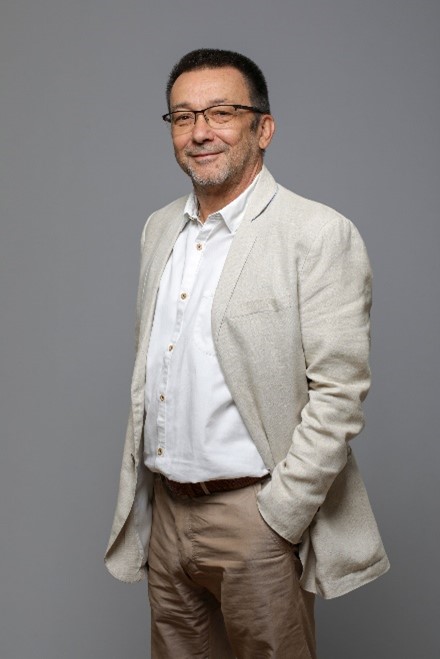
Ratko Magjarević received his Ph.D. in Electrical Engineering in 1994 from the University of Zagreb, Faculty of Electrical Engineering. After his appointment in industry at the Institute of Electrical Engineering “Koncar,“ he joined the Electronic Measurement and Biomedical Engineering Group at the University of Zagreb Faculty of Electrical Engineering and Computing. He is full professor teaching several courses in Electronic Instrumentation and Biomedical Engineering at undergraduate, graduate and at postgraduate studies.
His scientific and professional interest is in fields of electronic and biomedical instrumentation and health informatics, in particular in cardiac potentials analysis and pacing, in research of new methods for drug delivery based on electropermeabilisation and recently in research of personalized intelligent mobile health systems. He is author or co-author of numerous journal and conference papers, several textbooks and book chapters. R. Magjarevic is elected for President of the International Federation for Medical and Biological Engineering (IFMBE) from 2022. to 2025.

http://www.if.ufrgs.br/~barbosa
Marcia Barbosa is full professor at Universidade Federal do Rio Grande do Sul, and a member of the Brazilian Academy of Sciences and the World Academy of Sciences. For her study of water anomalies, she won the Loreal-Unesco Award for Women in Physical Sciences in 2013. For her work for women in science, she won the Nicholson Medal from the American Physical Society in 2009. For her work in postgraduate studies, she won the Anisio Teixeira Award from Capes in 2016, and for her work in favor of science, she received the Medal of Scientific Merit as a commendatory award from the presidency of the republic in 2018. In 2020, she was considered by UN Women to be one of the women who changed the world with science, and by Forbes Magazine, she was one of the 20 most powerful women in Brazil. In 2021, she was awarded the Silvio Torres medal from the state foundation Fapergs. From 2023 to 2024, she was Secretary of Strategic Policies and Programs at Ministry of Science, Technology and Innovation in Brazil. She is the rector of UFRGS since 2024 and vice president of the International Science Council since 2025.

John Damilakis is a full professor and chairman of the Department of Medical Physics at the University of Crete, School of Medicine, as well as the director of Medical Physics at the University Hospital of Heraklion, Crete, Greece. He is the Immediate Past President of the International Organization for Medical Physics (IOMP) and Vice President of the International Union for Physical and Engineering Sciences in Medicine (IUPESM). He is a member of the International Commission on Radiological Protection (ICRP) Committee 3, and member of the ‘EuroSafe Imaging’ campaign Steering Committee of the European Society of Radiology (ESR). John Damilakis has served as President of the European Alliance for Medical Radiation Protection Research (EURAMED), the European Federation of Organizations for Medical Physics (EFOMP), and the Hellenic Association of Medical Physics. His primary research focuses on medical dosimetry, radiation protection and artificial intelligence in medical physics,. He has a strong record of leading and participating in research, serving as coordinator or key contributor to numerous European and national projects. His scholarly impact is demonstrated by 280 PubMed-indexed articles, 11,180 citations, and an h-index of 57 (December 2025). He is recognized in Stanford University’s list of the “World’s Top 2% Scientists.”
6 March 2026: IOMP Webinar on International Women's Day 2026
6 March 2026 at 12 pm GMT; Duration 1 hour
To check the corresponding time in your country please check this link:
https://greenwichmeantime.com/time-gadgets/time-zone-converter/
Update: 1 CPD point is applied to this event.
Organizer and Moderator: Loredana Marcu, IOMP Women Sub-Committee Chair
Talk 1: The impact of Women in Physics on the International Union of Pure and Applied Physics and on its mission to assist in the worldwide development of physics
Speaker: Silvina Ponce Dawsons, PhD
Departamento de Física, FCEN-UBA and IFIBA, UBA-CONICET, Argentina

“Licenciada” and PhD in Physics, University of Buenos Aires. Full Professor, University of Buenos Aires. Higher Researcher, CONICET, Argentina. President, International Union of Pure and Applied Physics (IUPAP). Corresponding member, National Academy of Exact, Physical and Natural Sciences, Argentina. Fellow, International Science Council. Senior Associate, ICTP, Trieste, Italy. Associate Member, ICTP-SAIFR, Sao Paulo, Brazil. Divisional Associate Editor for Physical Review Letters. Associate Editor, Editorial Board of Biophysics for Frontiers. Member of the Liaison Committee of the ISC Regional Focal Point for Latin America and the Caribbean. Member of the Steering Committee of the International Year of Quantum Science and Technology (IYQ2025). Her main research interests are in biological physics and nonlinear dynamics. She authored over 100 scientific papers. She advised 16 Licenciatura theses, 12 PhD theses and is advising another two. She has been involved in numerous activities to help reduce the gender gap in science. She was Chair (2011-2014) of IUPAP’s Working Group on Women in Physics and IUPAP’s Gender Champion (2017-2019).
Abstract:
The International Union of Pure and Applied Physics, IUPAP, is the only international scientific union that covers all areas of physics. Run and organized by physicists from all over the world, its mission is to assist in the worldwide development of physics, to foster international cooperation in physics, and to help in the application of physics toward solving problems of concern to humanity. In 1999 IUPAP approved the creation of its Working Group on Women in Physics, WGWiP, which exerted an enormous impact on IUPAP´s structure and activities. In this talk I will present a brief description of my journey within IUPAP which started as a member and then Chair of its WGWiP and eventually led me to become the second woman president of IUPAP in its 104 years of existence. I will also describe how the discussions and recommendations that stemmed from the Working Group activities helped reshape the Union and influenced my own perspective on leadership.
Learning objectives:
The main goal will be to show how the inclusion of a gender perspective in institutions and organizations of the academic, educational and scientific ecosystem can lead to better processes and increase the impact of their actions.
Talk 2: Leading as a woman: Resilience and the power of Perspective
Speaker:
Robin Miller, President of AAPM
Chief Medical Physicist at Kaiser Permanente Capitol Hill on behalf of Northwest Medical Physics Center
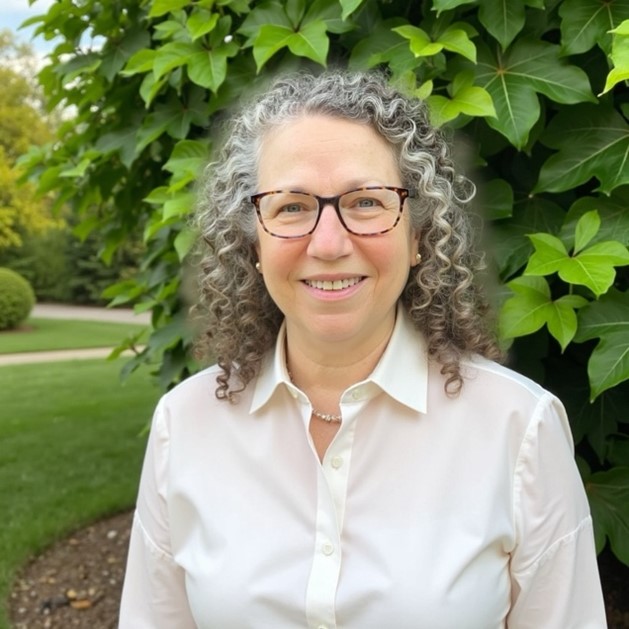
Robin Miller, MS, DABR, FAAPM, is a medical physicist and nationally recognized leader in radiation oncology physics with more than three decades of clinical, academic, and professional service experience. She currently serves as Chief Medical Physicist at Kaiser Permanente Capitol Hill in Seattle on behalf of Northwest Medical Physics Center. Her career spans academic and community institutions nationwide.
Ms. Miller is board-certified by the American Board of Radiology and a Fellow of the American Association of Physicists in Medicine (AAPM). She has held extensive leadership roles within AAPM, serving on the Board of Directors twice before her election to the AAPM Presidential chain, including President-Elect (2025) and President (2026). She is the sixth woman to be president of the AAPM. Additionally, she has chaired multiple committees and contributed to workforce assessments, professional practice guidelines, and education initiatives. She has co-authored numerous AAPM Medical Physics Practice Guidelines and peer-reviewed publications, particularly in brachytherapy, peer review, and quality assurance.
A frequently invited speaker, Ms. Miller is known for expertise in medical physics leadership, mentorship, workforce development, and professional practice advancement.
Abstract:
Women in leadership roles bring adaptability, emotional intelligence, and thoughtful communication to their daily work, often navigating complex expectations that shape how they lead and make decisions. They are attuned to how emotions are expressed, how messages are framed, and how authority is received, frequently demonstrating a nuanced leadership style that balances clarity, empathy, and accountability. This awareness enables many women leaders to lead with intention and effectiveness, even in environments where their actions may be more closely observed than those of their peers.
The discussion highlights the resilience and strategic skills women develop in response to these dynamics. Practices such as thorough preparation, reflective decision-making, and careful communication often stem from a strong commitment to excellence and credibility. While these adaptive behaviors arise within systems of heightened scrutiny, they also reflect women leaders’ dedication to fostering trust and achieving results. Recognizing and valuing these strengths helps shift the narrative toward equity, confidence, and the full expression of leadership presence.
Learning Objectives:
- Recognize how women leaders leverage emotional intelligence, adaptability, and strategic communication to navigate complex leadership expectations and enhance their effectiveness.
- Identify common adaptive leadership behaviors developed in response to heightened scrutiny and evaluate how these strategies both support and, at times, constrain leadership presence.
- Apply approaches that affirm leadership strengths, promote equity, and support the confident, authentic expression of authority in professional settings.
Talk 3: My Career, My Way; A Woman for All Seasons
Speaker:
A/Prof Natalka Suchowerska, PhD, FACPSEM, MESTRO
School of Physics, The University of Sydney, Australia
Chair CEAB of IOMP
Vice President Help Ukraine Group (HUG)
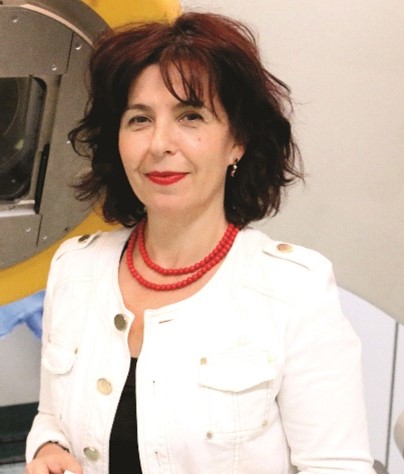
A/Prof Natalka Suchowerska has worked at the intersection of research, clinical practice, and academia for nearly four decades. A medical physicist by training, her expertise lies in the application of ionising radiation in medicine. As Director of VectorLAB, she led a multidisciplinary research program encompassing the development and biofunctionalisation of 3D-printed PAEK scaffolds for bone replacement, investigation of biological responses to emerging radiation therapies, and the development of novel dosimetry instrumentation.
An award-winning physicist, A/Prof Suchowerska is a reviewer for several leading international journals in medicine and physics, a frequent invited speaker at international conferences, and served as Scientific Co-Chair (Physics) of the inaugural ESTRO meets ASIA conference. She has held numerous national and international leadership roles, including within the International Organization for Medical Physics (IOMP). Her career includes successful research collaborations, secured patents, and multiple honours, including recognition in the AFR Top 100 Women of Influence (Innovation) and the ESTRO Honorary Membership (2021) for contributions to innovation and international, multidisciplinary collaboration.
Currently based part-time at the University of Sydney, she is a founding member of the international Help Ukraine Group (HUG), supporting oncology professionals in Ukraine. She is also a NAATI-certified Ukrainian–English interpreter.
Abstract:
My Career, My Way; A Woman for All Seasons is a personal reflection on building a meaningful, non-linear career in medical physics. Drawing on experiences across different roles, environments, and stages of life, this presentation challenges the idea that there is a single “correct” path to success in a highly technical healthcare profession. Beginning with an honest look at how many enter medical physics without a master plan, the talk explores what the work truly looks like in practice, how careers evolve through uncertainty and change, and how expectations—both external and internal—shape professional choices.
With a particular focus on the lived experiences of women in medical physics, the presentation addresses common challenges such as imposter syndrome, underrepresentation, speaking up in technical spaces, and balancing professional ambition with life beyond work. Each challenge is paired with practical strategies, lessons learned, and the importance of mentors, allies, resilience, adaptability and self-defined boundaries.
Rather than offering a template, this talk presents one journey as an example of how success can be defined intentionally and imperfectly, on one’s own terms. Aimed at students, early-career professionals, and established physicists alike, it concludes with actionable advice and a call to remain curious, visible, and supportive—so that the next generation can shape their careers and make their contributions, their way.
Learning Objectives
By the end of this presentation, participants will be able to:
- Recognize that careers in medical physics are often non-linear and that multiple pathways to success exist, particularly for women in the profession.
- Describe the real-world scope of medical physics work across clinical, academic, research, and leadership roles from a personal, lived perspective.
- Identify common challenges faced by women in medical physics—including imposter syndrome, underrepresentation, and work–life integration—and practical strategies to navigate them.
- Reflect on their own definitions of career success and consider how personal values, boundaries, and choices can shape a fulfilling professional path.
- Apply actionable advice to support their own career development or to mentor and advocate for others within technical and healthcare environments.
9 Feb 2026: Basics of Theranostics
9 February 2026 at 12 pm GMT; Duration 1 hour
To check the corresponding time in your country please check this link:
https://greenwichmeantime.com/time-gadgets/time-zone-converter/
Update: 1 CPD point is applied to this event.
Organizer and Moderator: M. Mahesh, IOMP Vice President
Talk 1: Introduction to RPT Dosimetry
Speaker: Robert F. Hobbs, PhD
Dept. of Radiation Oncology and Molecular Radiation Sciences
The Johns Hopkins University School of Medicine
A/Prof. Robert Hobbs is an Associate Professor and Medical Physicist in the Department of Radiation Oncology at Johns Hopkins. Dr. Hobbs earned his undergraduate degrees in physics from the Université Louis Pasteur in Strasbourg, France and his Ph.D. from the University of New Mexico in high energy physics. Dr. Hobbs is the chairman of the AAPM Radiopharmaceutical Therapy sub-Committee, and serves on a number of committees and task groups that further the development, use, and education of radiopharmaceutical therapy and dosimetry for a wide range of national and international organizations. Most recently he has been awarded the 2025 MIRD Loevinger-Berman award.
Abstract:
Radiopharmaceutical Therapy (RPT) is rapidly becoming a mainstream modality with the development and approval of new emitters and conjugates accompanied by heavy investment by the pharmaceutical industry. Medical Physicists from Nuclear Medicine and other disciplines are expressing interest in, learning the fundamentals of, and implementing radiopharmaceutical therapy in their clinic as demand for these new therapy modalities increases. Unlike other systemic cancer treatments such as chemotherapy, RPT is radiation-based which means the ability to image and quantify the distribution of activity and convert to absorbed dose, which is the quantity that determines normal tissue toxicity and tumor efficacy. Currently, fixed administered activities of RPT for all patients as is currently approved generally dramatically undertreats patients. The use of personalized dosimetry-based treatment planning for RPT could dramatically change efficacy of the treatments and patient outcomes, as has been demonstrated with 90Y-microspheres. We present the basic principles of RPT dosimetry as well as basic QA methods and tools.
Learning Objectives:
- Understand basic principles of RPT dosimetry
- Improve consistency and rigor of absorbed dose calculations
Talk 2: An introduction to theranostics
Speaker: Ashleigh Hull, PhD
School of Allied Health & Human Performance, Adelaide University, South Australia
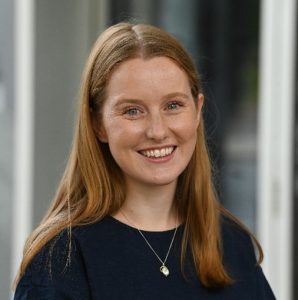
Dr Ashleigh Hull is a Lecturer in Nuclear Medicine at Adelaide University and a registered nuclear medicine technologist. She completed both her undergraduate and PhD at the University of South Australia and has clinical experience as a technologist. Her PhD focussed on the pre-clinical development of novel radioimmunoconjugates for the treatment of pancreatic cancer. In combination with her research, Ashleigh has experience as a clinical nuclear medicine technologist, enabling her to observe the full translational pathway from bench to bedside in nuclear medicine and theranostics.
Abstract:
Theranostics represents a rapidly expanding paradigm in nuclear medicine, combining diagnostic imaging and targeted radionuclide therapy to enable personalised patient care. With growing clinical adoption, medical physicists play a critical role in ensuring safe, accurate, and effective implementation of theranostic procedures. This talk introduces the fundamental principles of theranostics, including theranostic targets, radionuclide selection, imaging–therapy pairs, and clinical examples of theranostics in practice.
Learning Objectives:
- Describe the principles of theranostics, including the radiobiological basis of therapeutic radionuclides.
20 Jan 2026: An Introduction to Data Analysis with Python for Medical Physics
20 Jan 2026 at 12 pm GMT; Duration 1 hour
To check the corresponding time in your country please check this link:
https://greenwichmeantime.com/time-gadgets/time-zone-converter/
CE points:
2 CE credit points for participants who complete and pass the associated assessment
1 CE credit point for other participants
Moderator: Carmel J Caruana, PhD
Medical Physics, University of Malta
Speaker: Eric Pace, M.Sc., MIPEM, MPE, RPE
Medical Physics, University of Malta
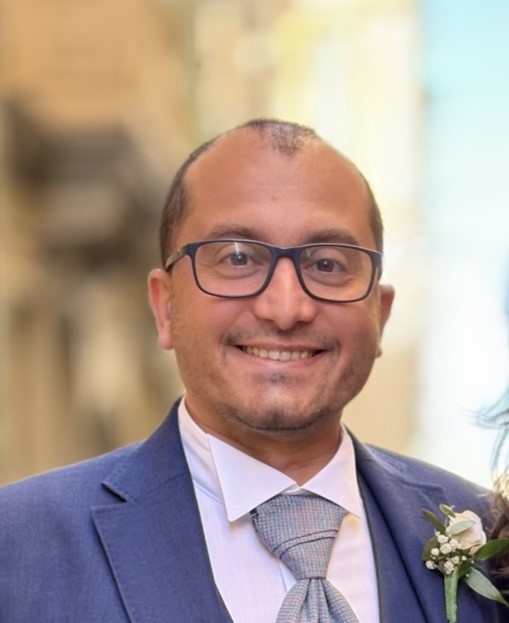
Eric is a medical physics expert and radiation protection expert in the area of diagnostic and interventional radiology with over ten years of clinical experience. He lectures in Diagnostic and Interventional Radiology and Python for Medical Physics and Radiation Protection at the University of Malta. His research focuses on Computed Tomography and includes extensive Python programming. Eric is the President of the Malta Association of Medical Physics.
Abstract:
Python is a free, open-source programming language that has become increasingly prominent in scientific and clinical computing, including in Medical Physics and AI applications. With its extensive ecosystem of libraries for medical imaging and radiotherapy, Python is an extremely valuable tool for the clinical Medical Physicist today. Practical proficiency in Python supports essential tasks such as data analytics, workflow automation, and machine learning and AI development. This webinar provides a practical overview of the fundamental topics needed to understand the language and to organise data for statistics and visualisation using established libraries like pandas and matplotlib. It will also briefly cover reading DICOM files and analysing Catphan QC images using pydicom and pylinac. The 6th edition of the EBAMP accredited international online course Data Analysis with Python for Medical Physics delivered under the auspices of the Malta Association of Medical Physics and endorsed by EFOMP and IOMP is planned for 29-31 October 2026 and further information will be published soon on https://thepythoncourse.eu/.